Hooke Family
The workshop
A family that makes fishing lures, a short list of them, and sells them to people who write in. This page is what that means in practice.
Why only six
Most tackle catalogues are long because length sells. Ours is short because we finish every lure ourselves. Six designs is the number we can keep in stock, keep consistent, and keep improving without the range becoming a warehouse job. Each of the six has a distinct purpose and none of them overlaps with another; if you ask us which one you need, the answer is a real choice rather than a page of near-duplicates.
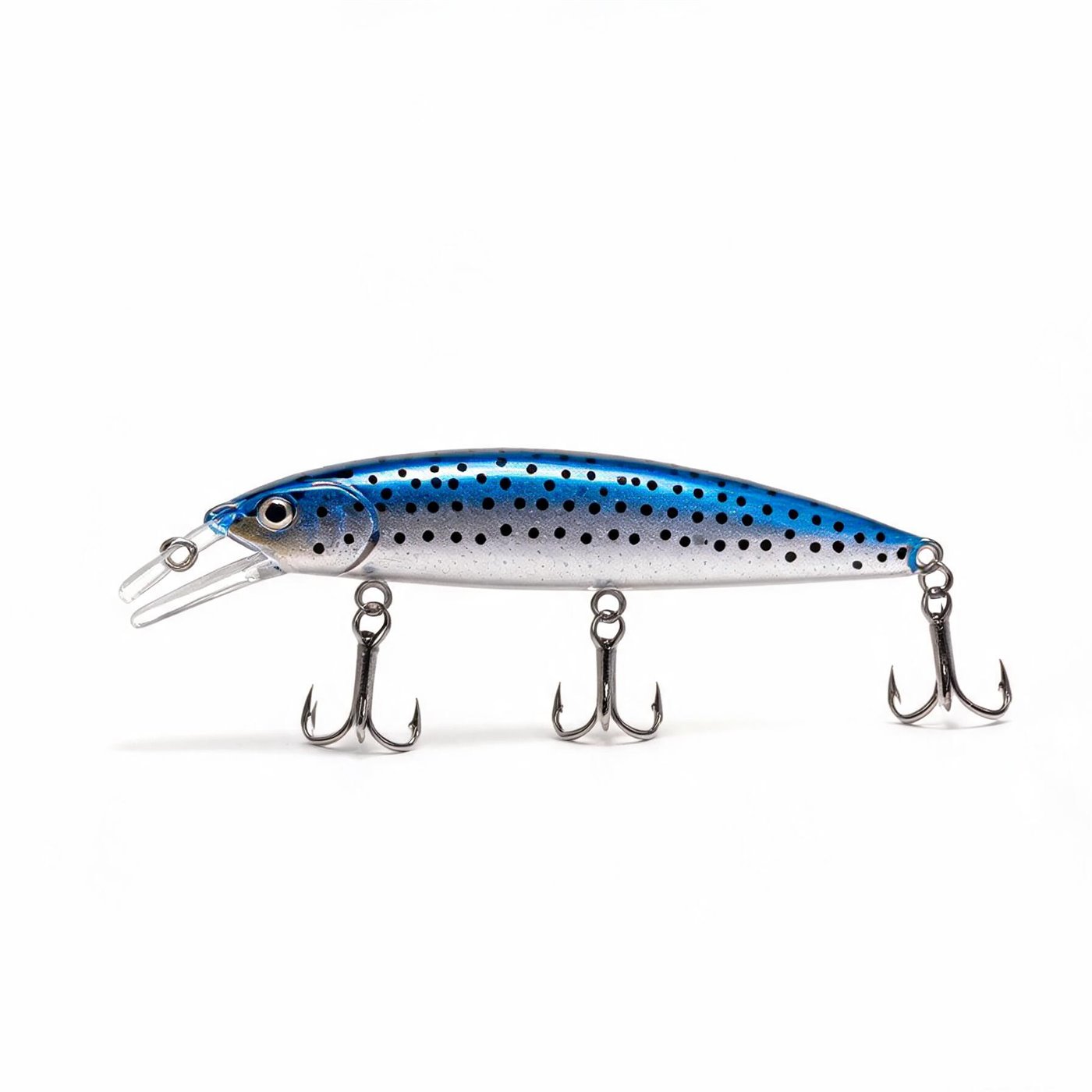
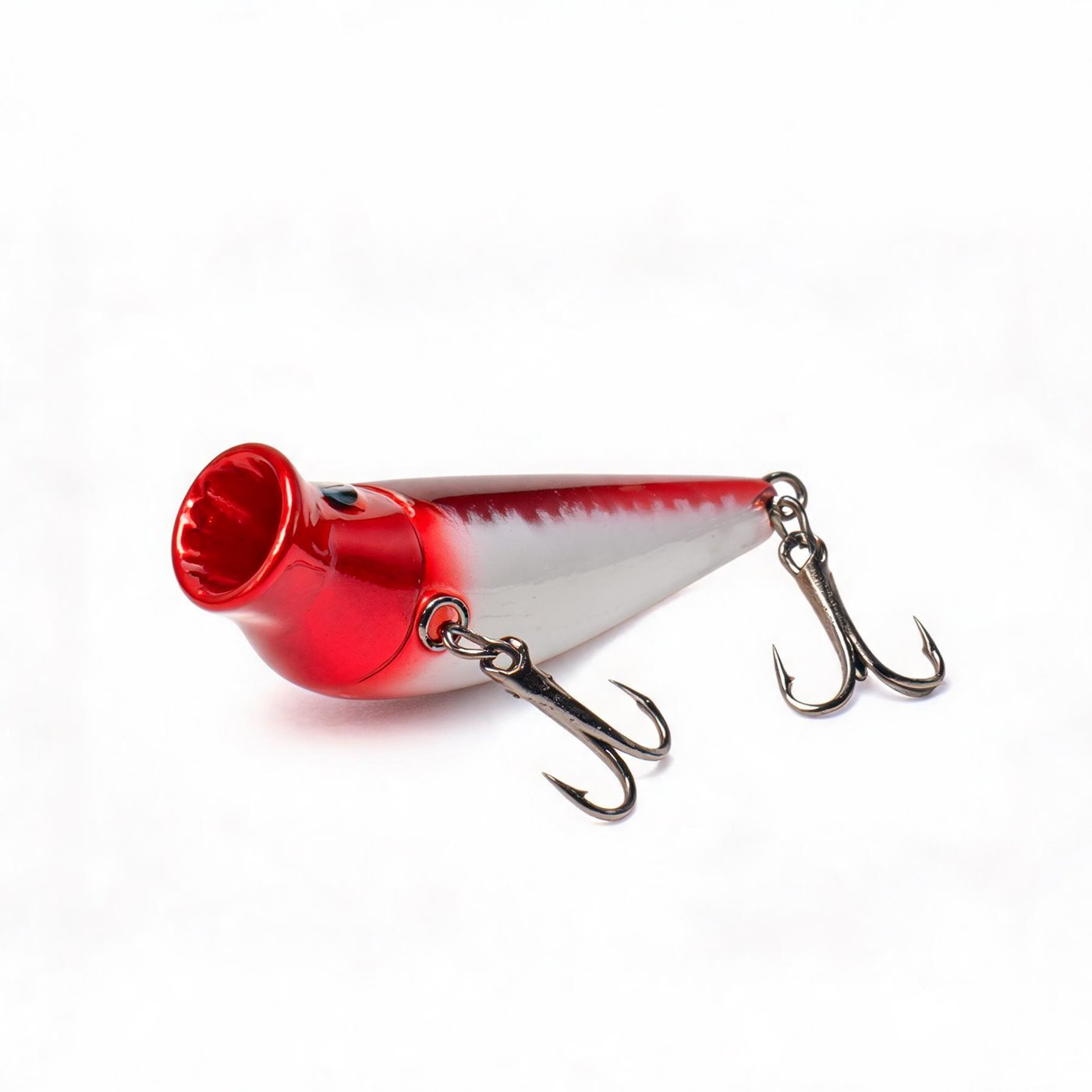
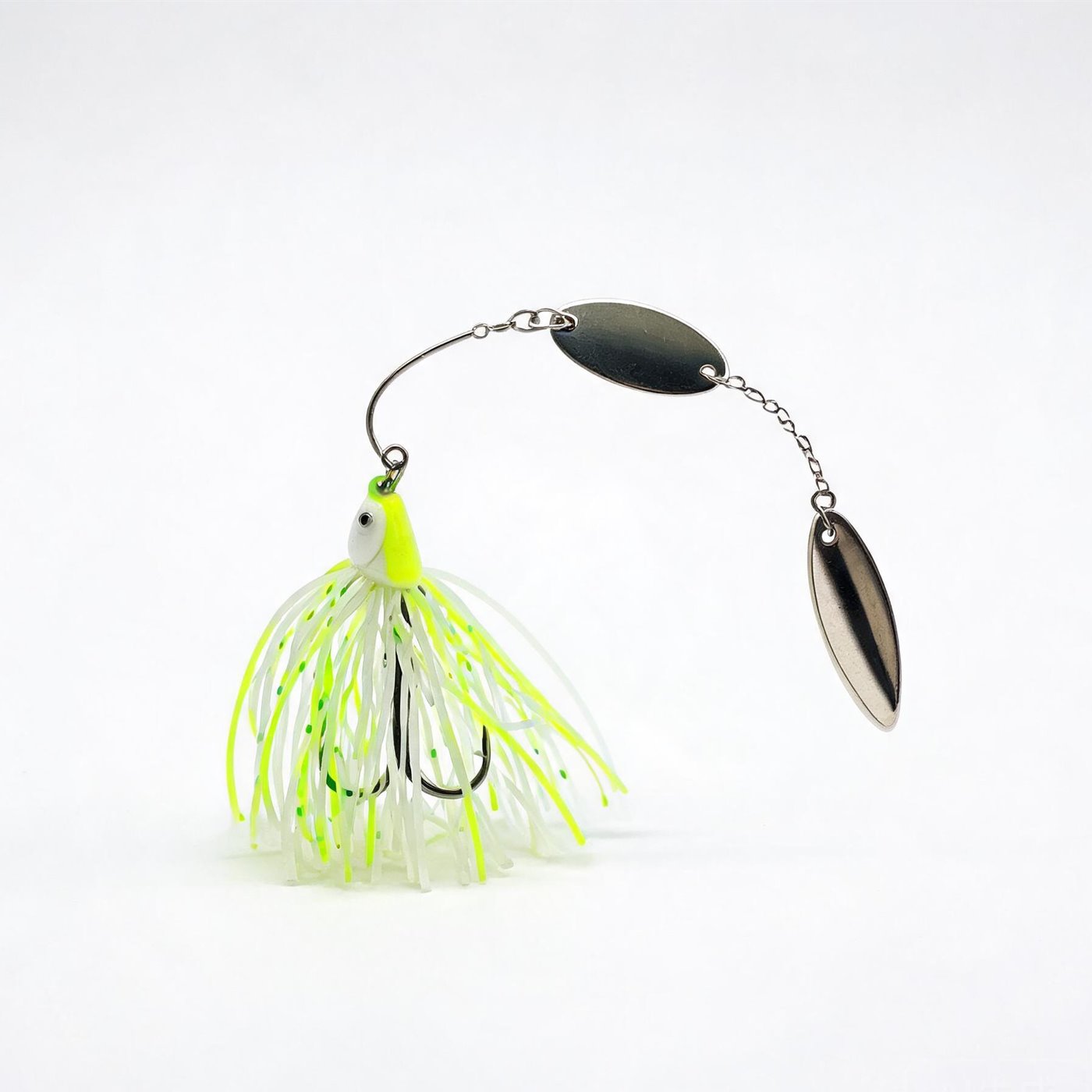
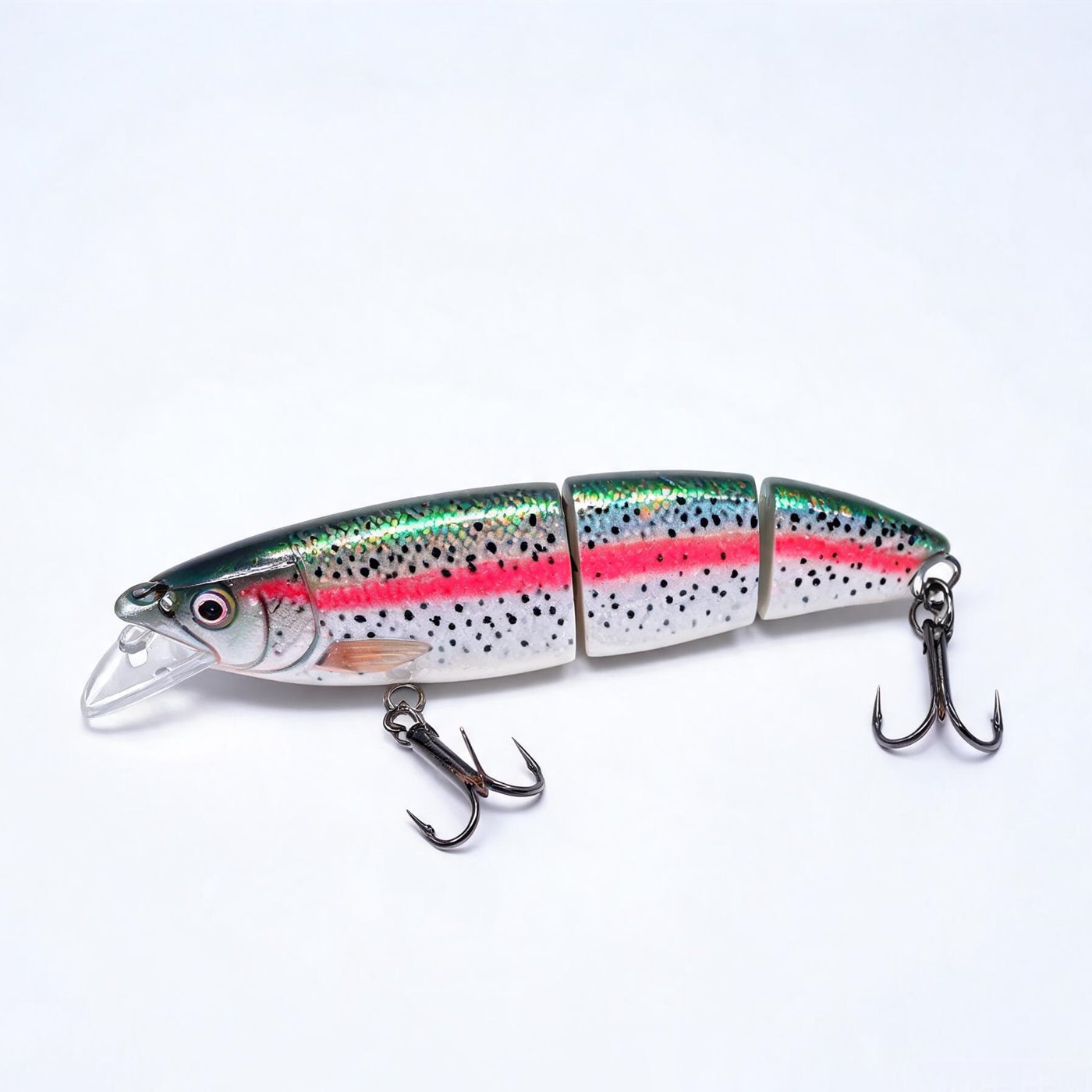
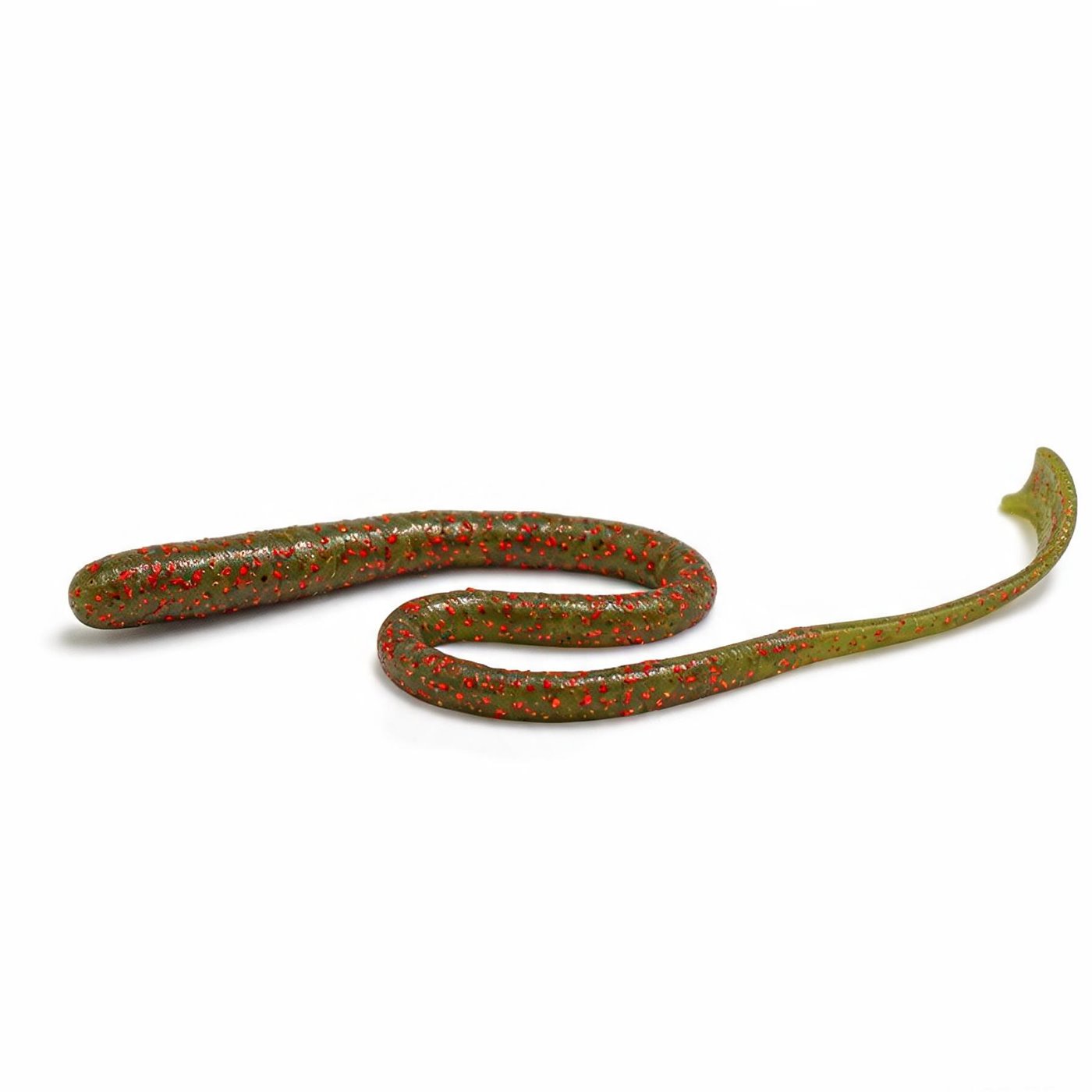
The range is a shallow crankbait, a suspending jerkbait, a topwater popper, a spinnerbait, a jointed swimbait and a soft plastic worm. Between them they cover the surface, the top metre, and the layer below it, in clear water and stained, from cold spring mornings to warm summer evenings.
What "finished by hand" means
It does not mean whittled from a block. Hard bodies are moulded so that every Dawnline is the same weight and shape as every other; a lure that is unique is a lure that swims unpredictably. What is done by hand is everything after the body exists.
- Assembly. Bills seated, hook hangers and line ties set, and each body checked for symmetry before paint.
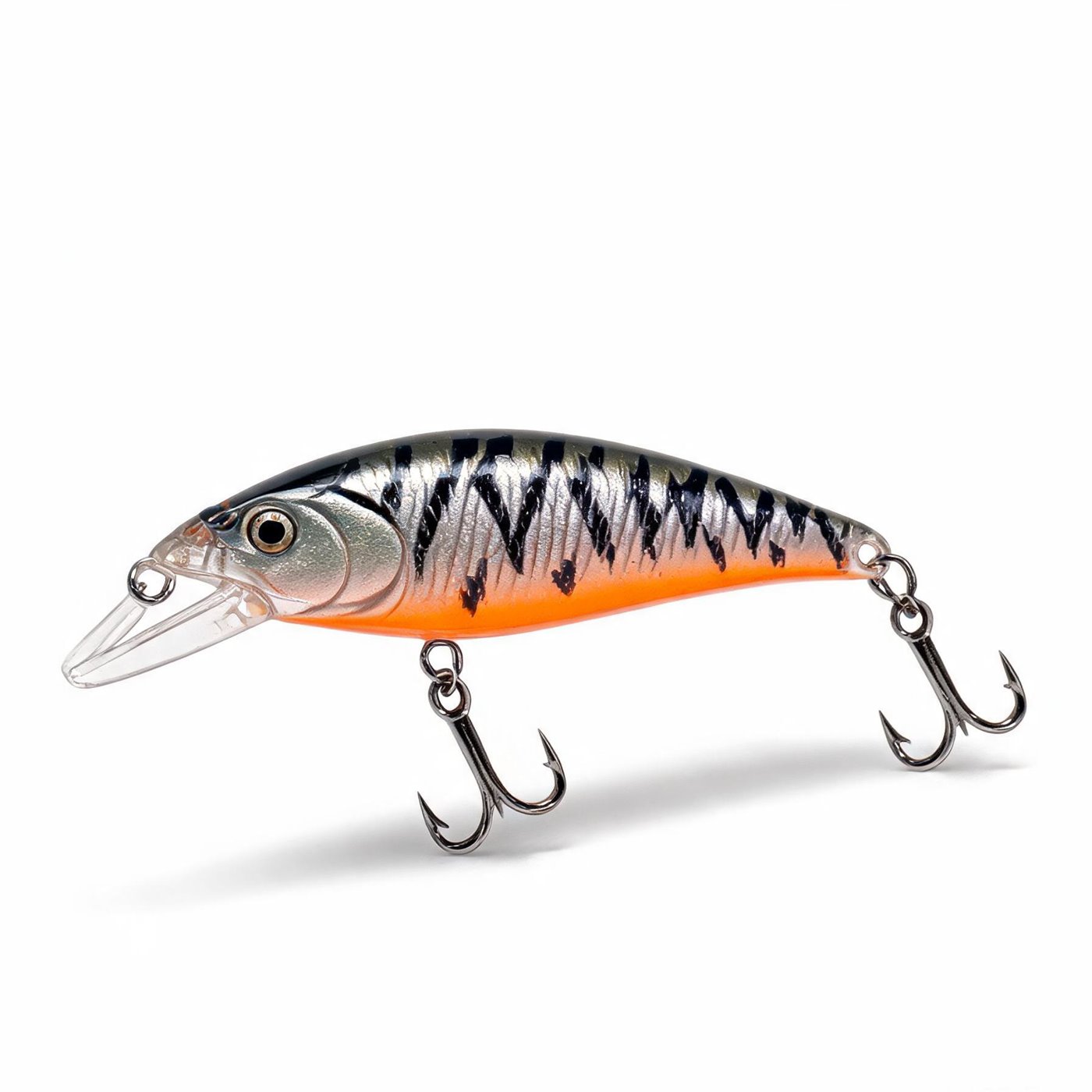
- Finish. Base colour, pattern, eyes and a clear top coat, applied in separate stages with drying time between them. The tiger bars on the Dawnline and the trout pattern on the Sectional are built this way.
- Hardware. Split rings and treble hooks fitted to each lure individually, not tipped into a bag.
- Tuning. Every hard bait goes through a tank before it is wrapped. If it tracks to one side, the line tie is adjusted until it runs straight. This is the step that a factory line skips and that makes the most difference on the water.
- Soft plastics. Poured, salted, checked for tears and packed by the eight.
Hardware
The hooks on a lure matter more than the paint. All of our hard baits carry treble hooks with chemically sharpened points; the Willowbind carries a single forged hook behind its wire arm. Split rings are stainless. We do not name a hook manufacturer on the site because we reserve the right to change supplier when a better hook comes along, but the hook on the lure you receive will be the one we would fish ourselves, and we replace it under warranty if it fails through a defect.
What we do not do
Some of these are choices and some are simply what being small looks like. Either way, they are true and you can check them.
- No online checkout. Orders are emails and payment is a link we send. How ordering works.
- No accounts, no cookies, no analytics. This site does not track you. The cookie page is one paragraph long because there is nothing to declare.
- No customer reviews on the site. We would rather you judged the lures by the specifications and the guides than by ratings we curated ourselves.
- No outsourced support. The person who answers your email is the person who packs the order.
- No rods, reels or line. We make lures. The rod and reel guide tells you what to pair them with; we do not sell it.
- No other social channels. We are on X as @hookefamily and reachable at admin@hookefamily.com. Anything else claiming to be us is not.
Fishing responsibly
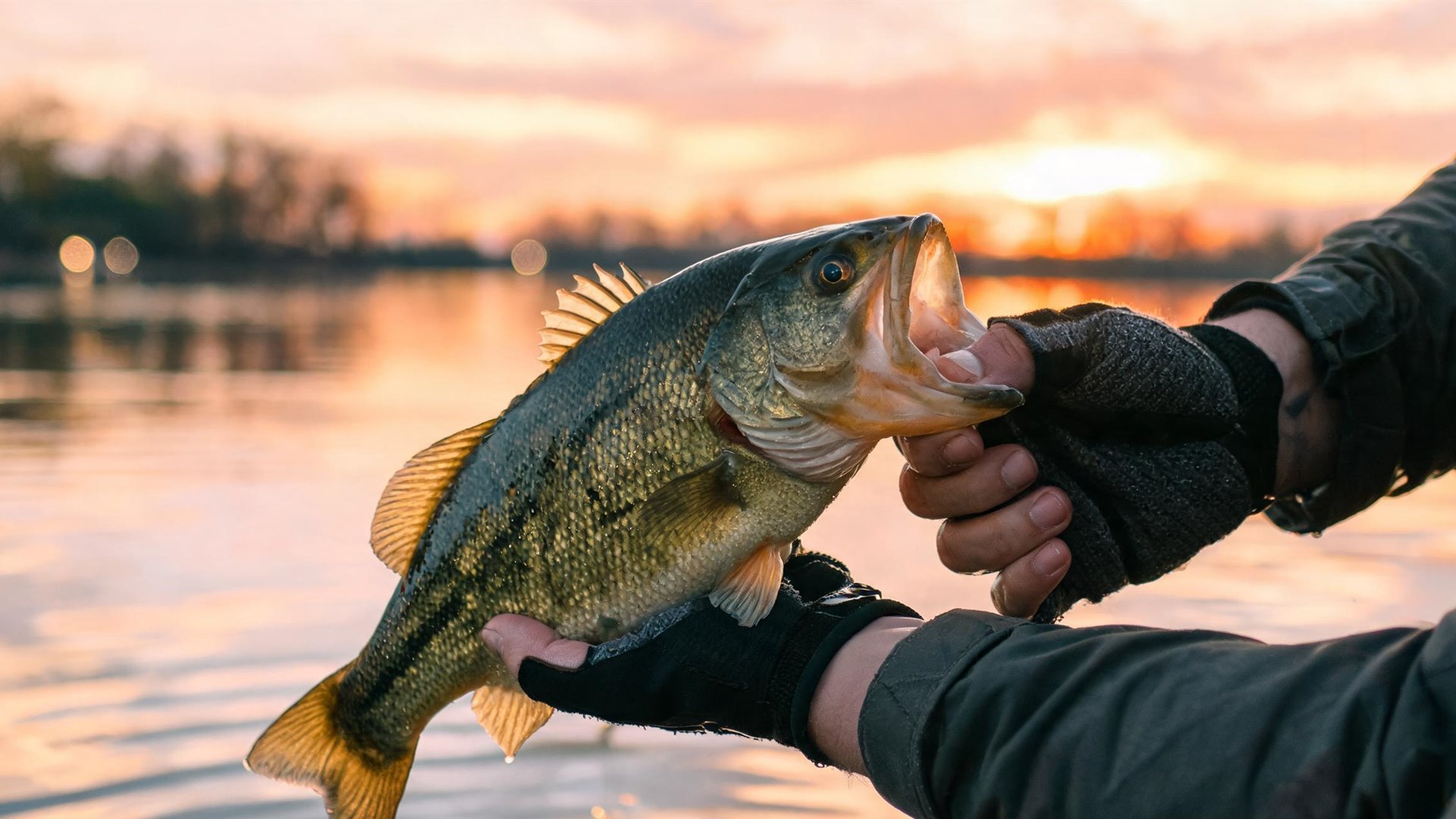
The photograph at the top of this page is a fish going back. We fit strong hooks so they hold; we also want you to be able to get them out. The hooks, handling and release guide covers pinching barbs, swapping trebles for singles on the bigger lures, and how to hold a fish so it swims away rather than floats. Used soft plastics belong in a bin, not in the water.
Talk to us
If you have a question about which lure to start with, how to rig something, or whether a lure would suit your water, write to us. If the honest answer is that none of ours is right, we will tell you what to look for instead.
The range
With specifications →
The six lures