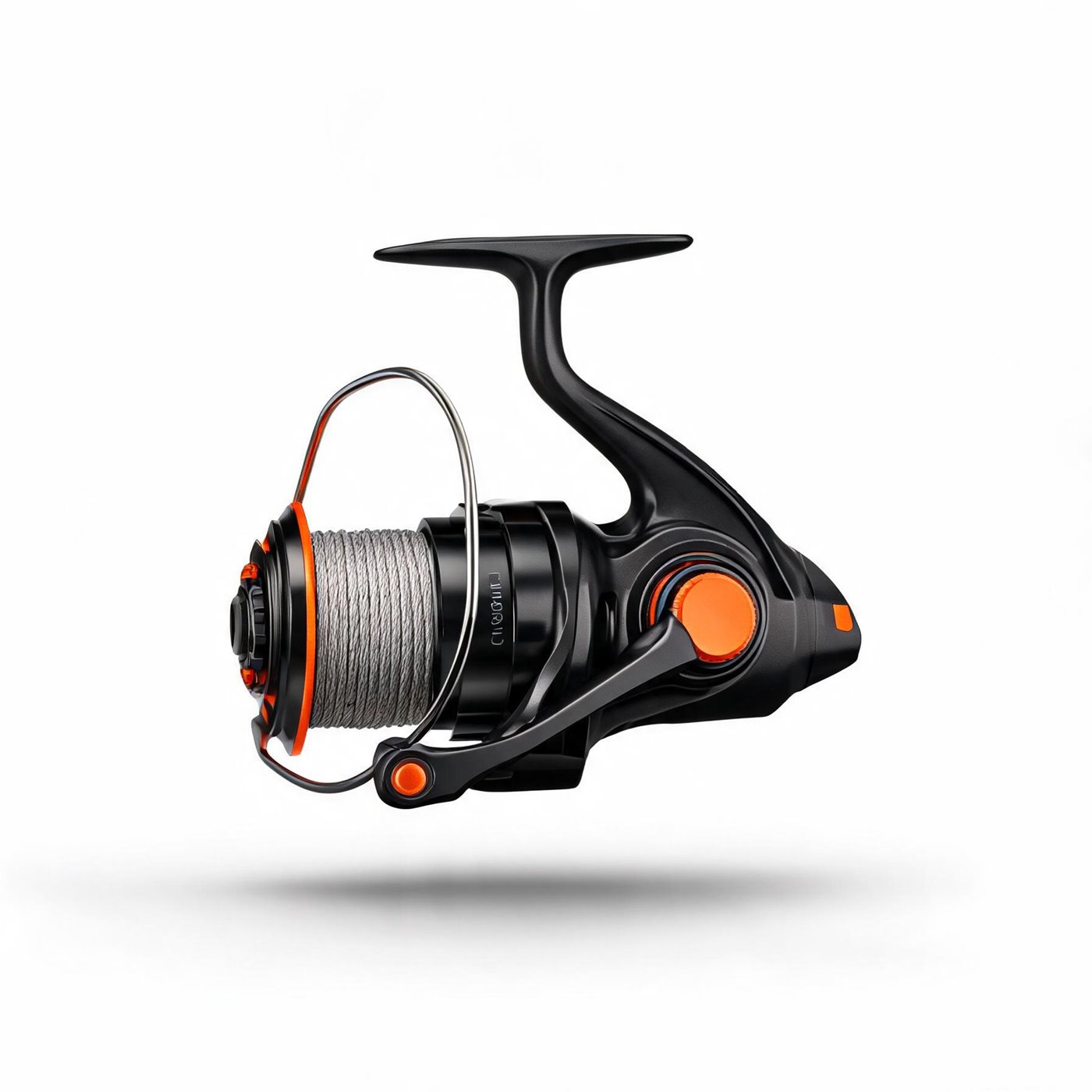
Rod, reel and line for each lure
Power, action, reel type and line, with a pairing for all six lures.
The hour either side of sunrise and sunset is the most reliable fishing of the day, and also the most misfished. What changes at the edges of the day, and how to change with it.
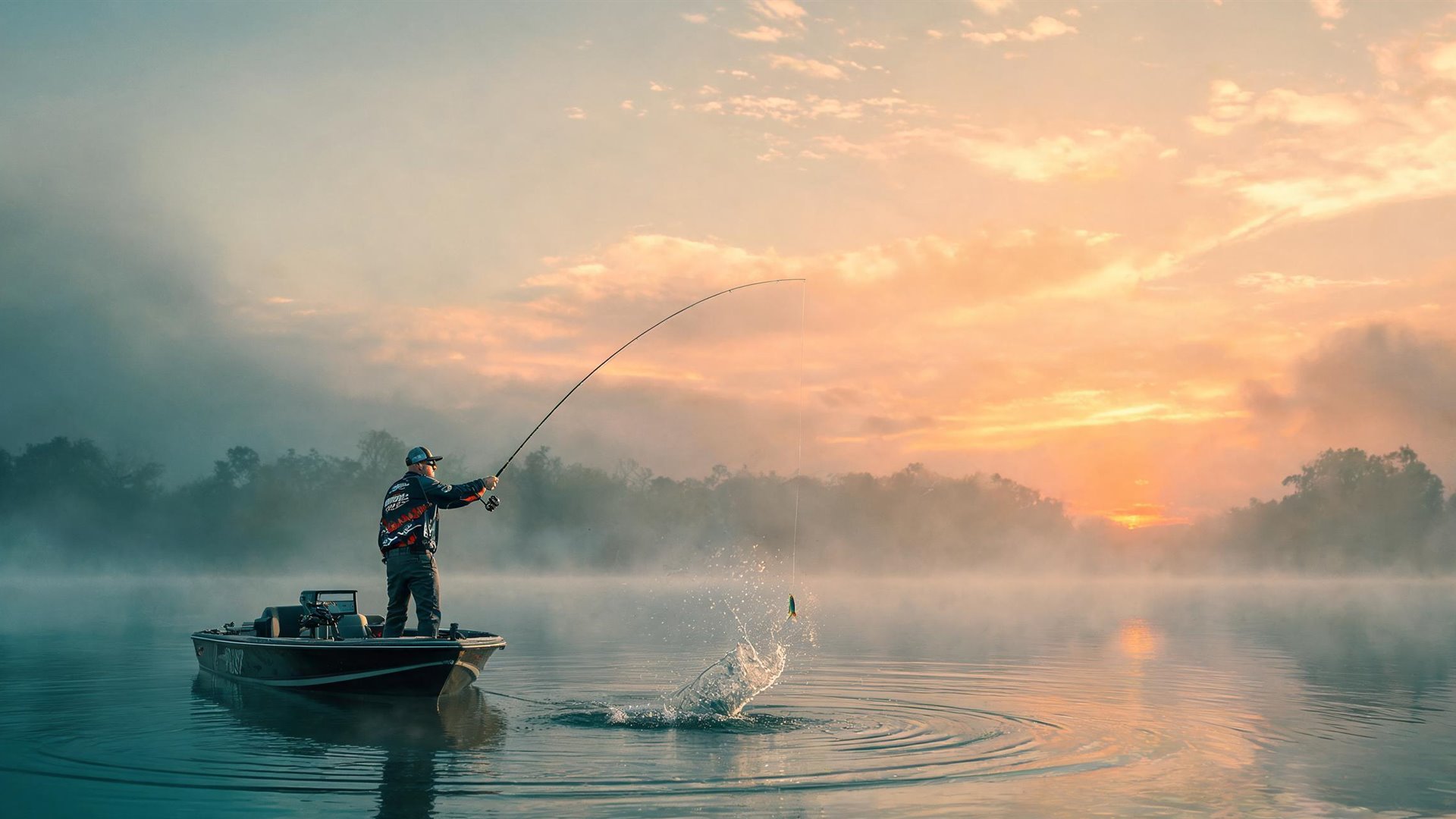
Predatory fish have an advantage in dim light: their eyes adjust faster than the eyes of the small fish they eat. In the half-light they can see prey that cannot yet see them, and they use it. Add the fact that shallow water is cooler at dawn and that a wary fish feels safer without a bright sun overhead, and you have fish that are closer to the bank, higher in the water, and more willing to chase than at any other time of day.
That window is short. From the first grey light to full sun is often no more than an hour, and the last hour before dark is the same in reverse. Everything below is about making the most of it rather than arriving as it ends.
Shallow, and near something. In low light fish leave the deeper water where they spent the bright hours and move onto flats, along weed edges, into the ends of bays and around points, hunting. The places that look empty at noon are the places to fish at dawn.
Look for the transitions: the edge where a weed bed meets open water, the line where a shallow flat drops into a channel, the outside of a point. Fish patrol these edges. Cast along them rather than across them, so the lure stays in the productive zone for the whole retrieve.
Watch the surface. Baitfish scattering, a swirl, a ring where something rolled: these are worth a cast more than any structure. In calm dawn water a fish feeding is easy to see if you are looking.
Low light is the time for a surface lure, and the Bellcup 70 is made for it, but it is not a lure for the whole window. It works best when the surface is calm, the water is warm enough for fish to be active near the top, and there is enough light for a fish to find the lure by its silhouette. That usually means from roughly the moment you can see the lure land until the sun is fully on the water, and again from the time the sun leaves the water until you can no longer see the lure.
Fish it with long pauses. In dim light a fish tracks the sound and the ripples, then needs a still target to hit. If fish are boiling at it and missing, slow down further, and if that does not work, stop and let it sit for as long as you can bear. If wind ruffles the surface, put the popper away and fish under it.
Colour matters less in low light than most anglers think, and silhouette and flash matter more. Two rules cover most situations.
Clear water: natural colours with some flash. The silver flank of the Dawnline or the spotted silver of the Longcast throw light even in dim conditions, and the pale belly shows as a clean outline from below.
Stained water: dark or bright, not natural. A dark lure gives a strong silhouette; a bright one, like the chartreuse skirt on the Willowbind, gives contrast. In stained water at dawn, vibration counts for more than colour, which is why a spinnerbait or a crankbait with a tight wobble is often the better choice over a jerkbait.
The instinct is to fish fast to cover water while the window is open. Sometimes that is right: a crankbait or spinnerbait burned along a weed edge finds the active fish quickly. But feeding fish in low light are already close and already willing, and a lure that stays in front of them a little longer will usually catch more than one that races past. A steady, medium retrieve with the odd pause is the default. Go faster only if the steady retrieve is being ignored, and slower if fish are following and not hitting.
As the light comes up, slow down and go deeper. The fish that were on the flat at grey light will drift toward the drop-off as the sun rises; follow them with the jerkbait or a Texas-rigged worm along the edge.
Power, action, reel type and line, with a pairing for all six lures.
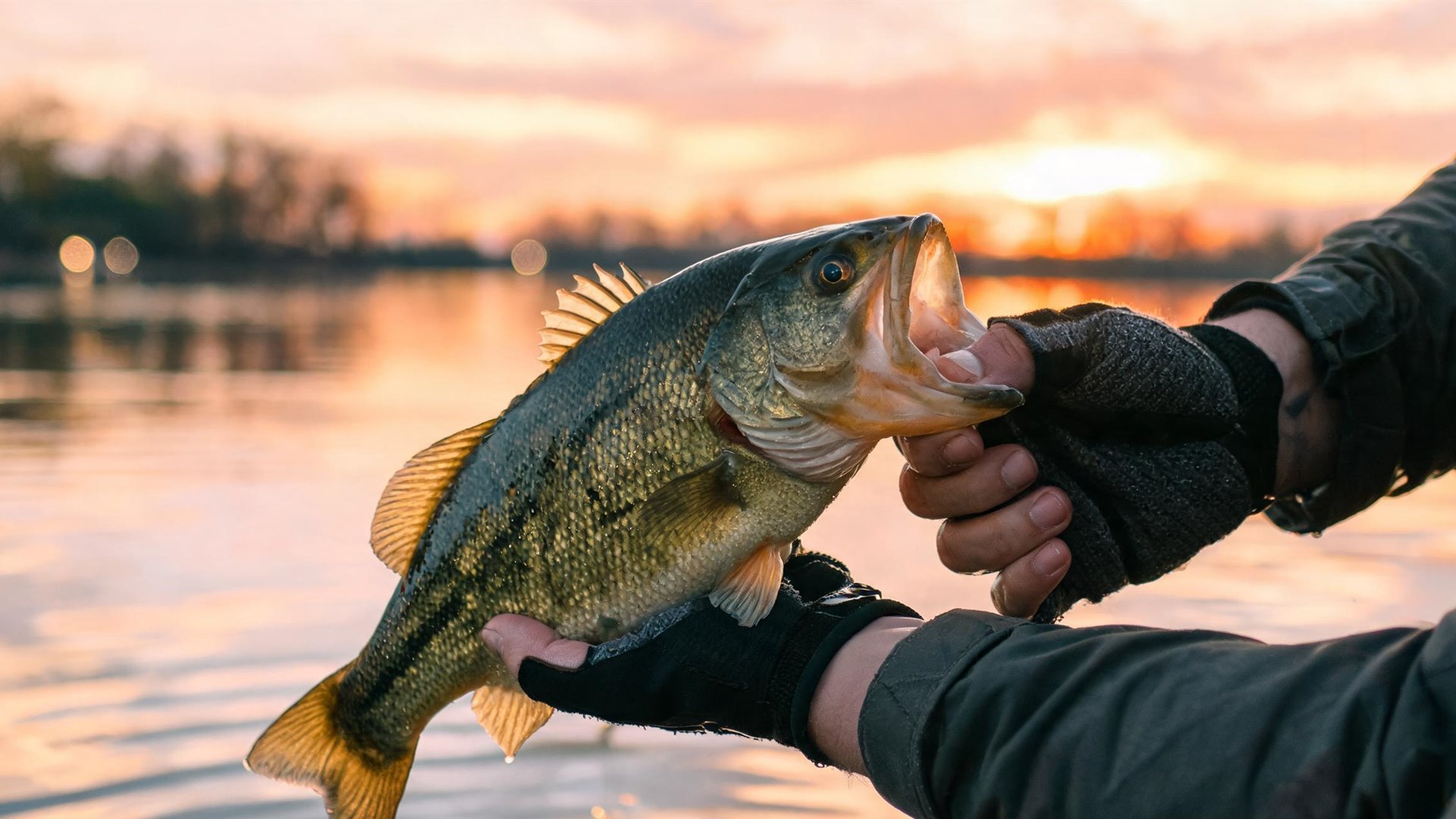
Sharp points, rust-free trebles, and a fish that swims away strong.
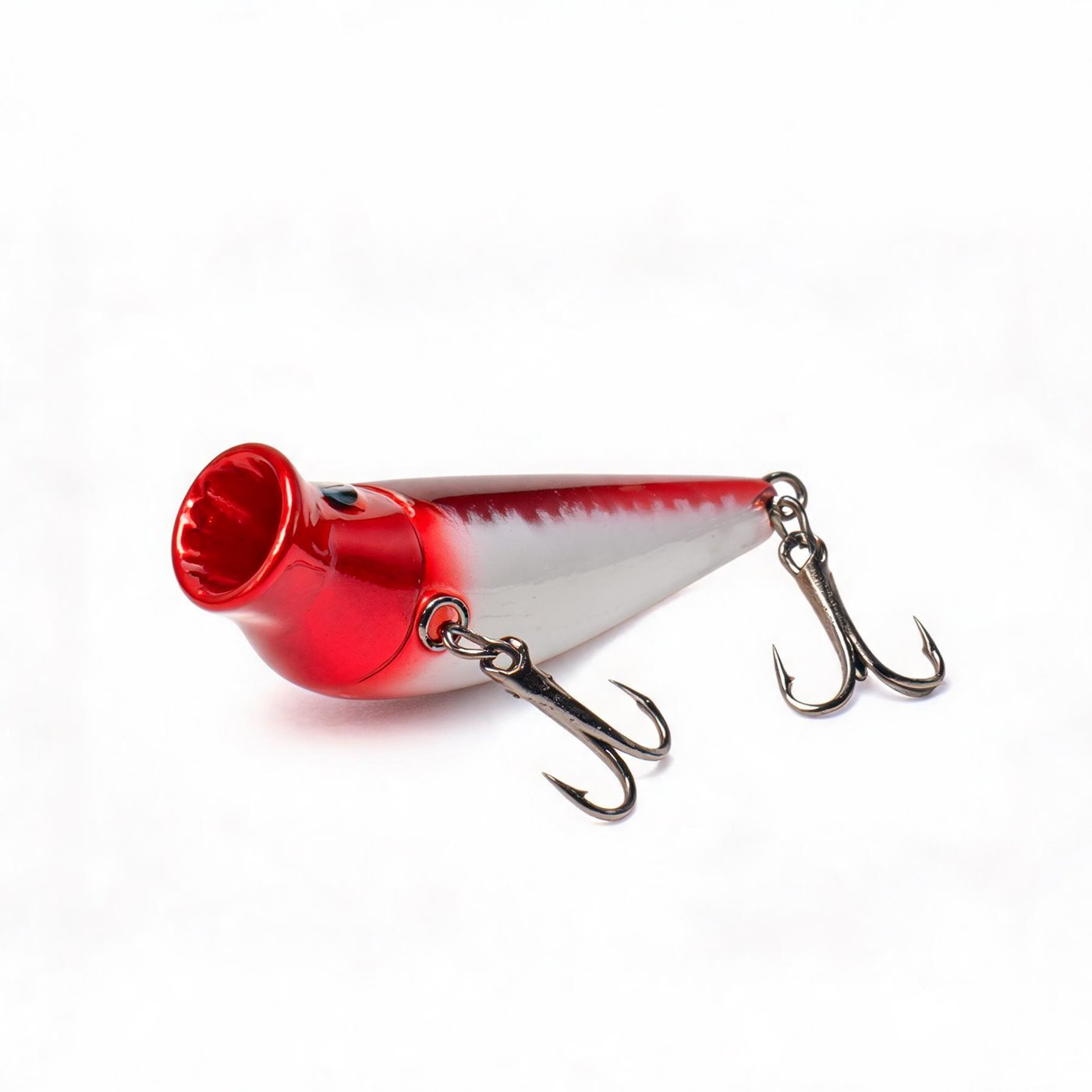
The popper this guide keeps mentioning.