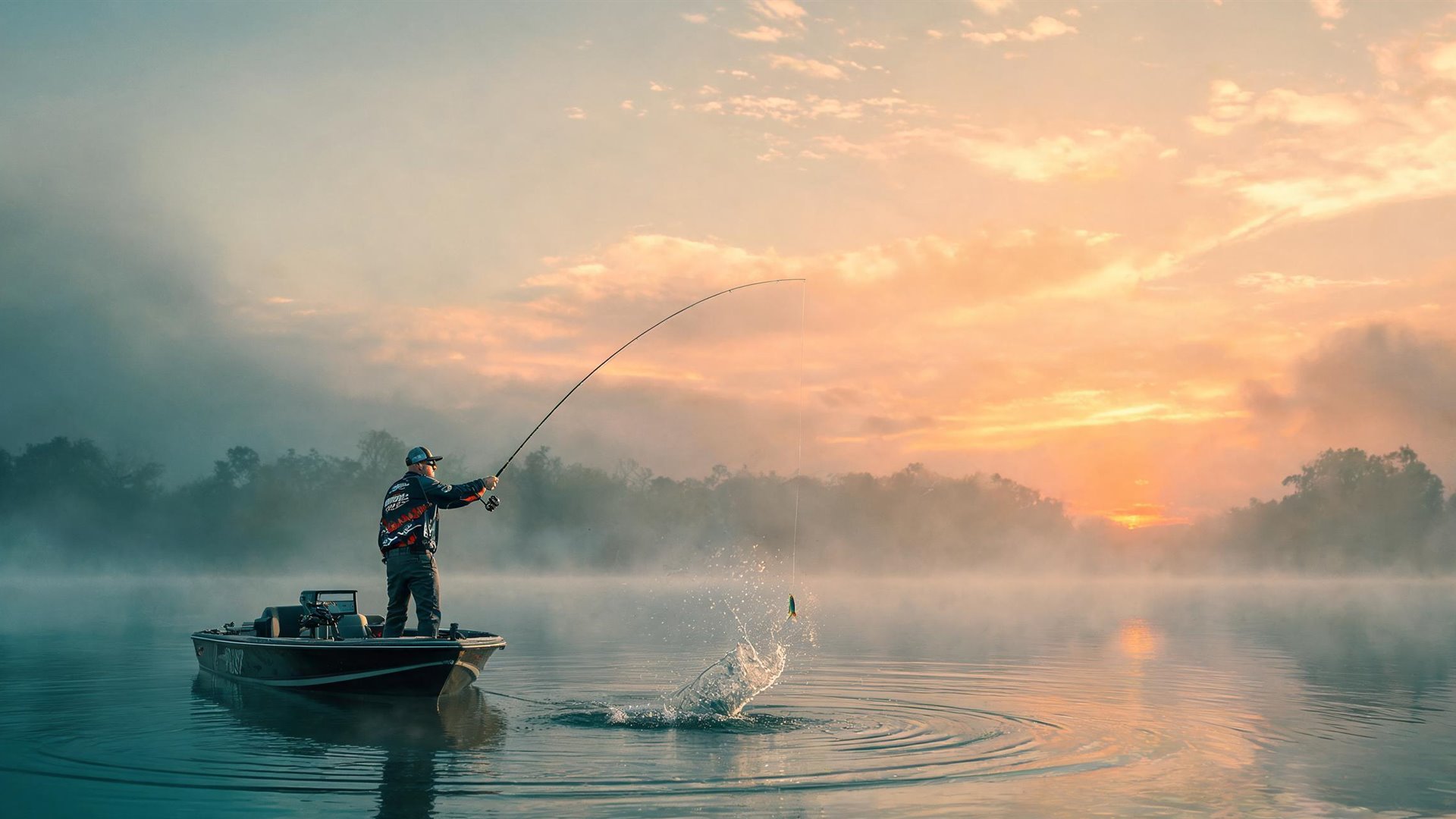
Fishing the low-light window
Where fish sit at dawn and dusk, and what to throw at them.
A lure only swims as well as the tackle behind it lets it. This guide covers the three decisions that matter, then gives a specific pairing for each of the six lures we make.
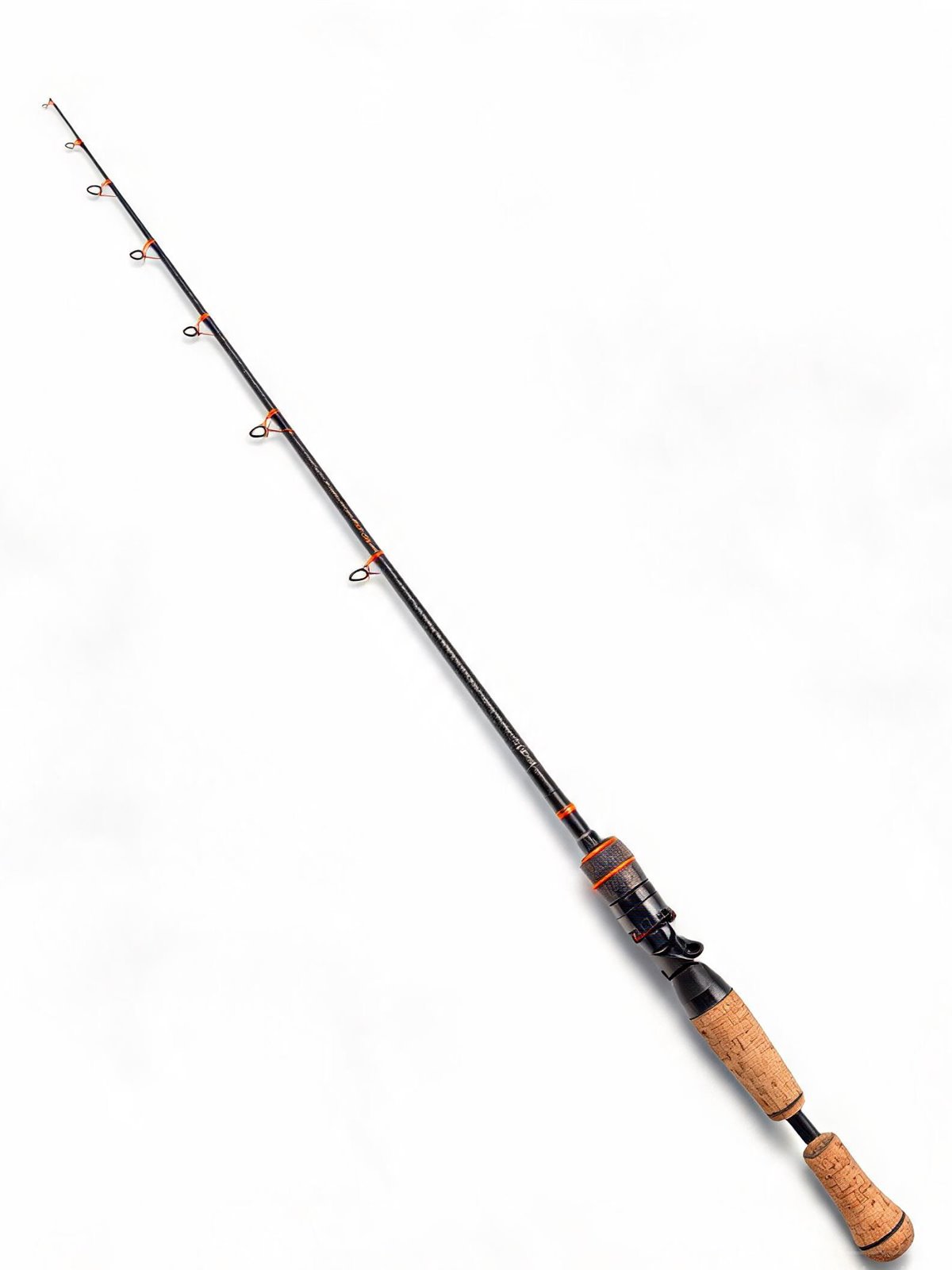
Two words on a rod blank tell you most of what you need. Power is how much force it takes to bend the rod: light, medium-light, medium, medium-heavy, heavy. Action is where it bends: a fast action bends near the tip, a moderate action bends further down toward the middle.
Power should match the weight of the lure. A rod rated for 7 to 21 g will cast a 9 g crankbait and a 14 g jerkbait comfortably; ask it to throw a 26 g swimbait and it will cast badly and set hooks worse. Read the lure-weight range printed above the grip and choose a rod whose range brackets the lures you fish most.
Action should match the lure's hooks. Treble hooks are small and shallow; a fast, stiff tip strikes hard and tears them out, while a moderate action bends, absorbs the surge and keeps the points in. That is why crankbaits and topwaters are fished on softer rods. Single hooks, on a spinnerbait or a rigged worm, are large and need a firm strike to drive home, so those lures want the faster, stiffer tip.
Length is the least critical. Longer casts further and steers fish better; shorter is more accurate under trees and easier in a small boat. Something between 6 feet 6 inches and 7 feet 2 inches does everything on this page.
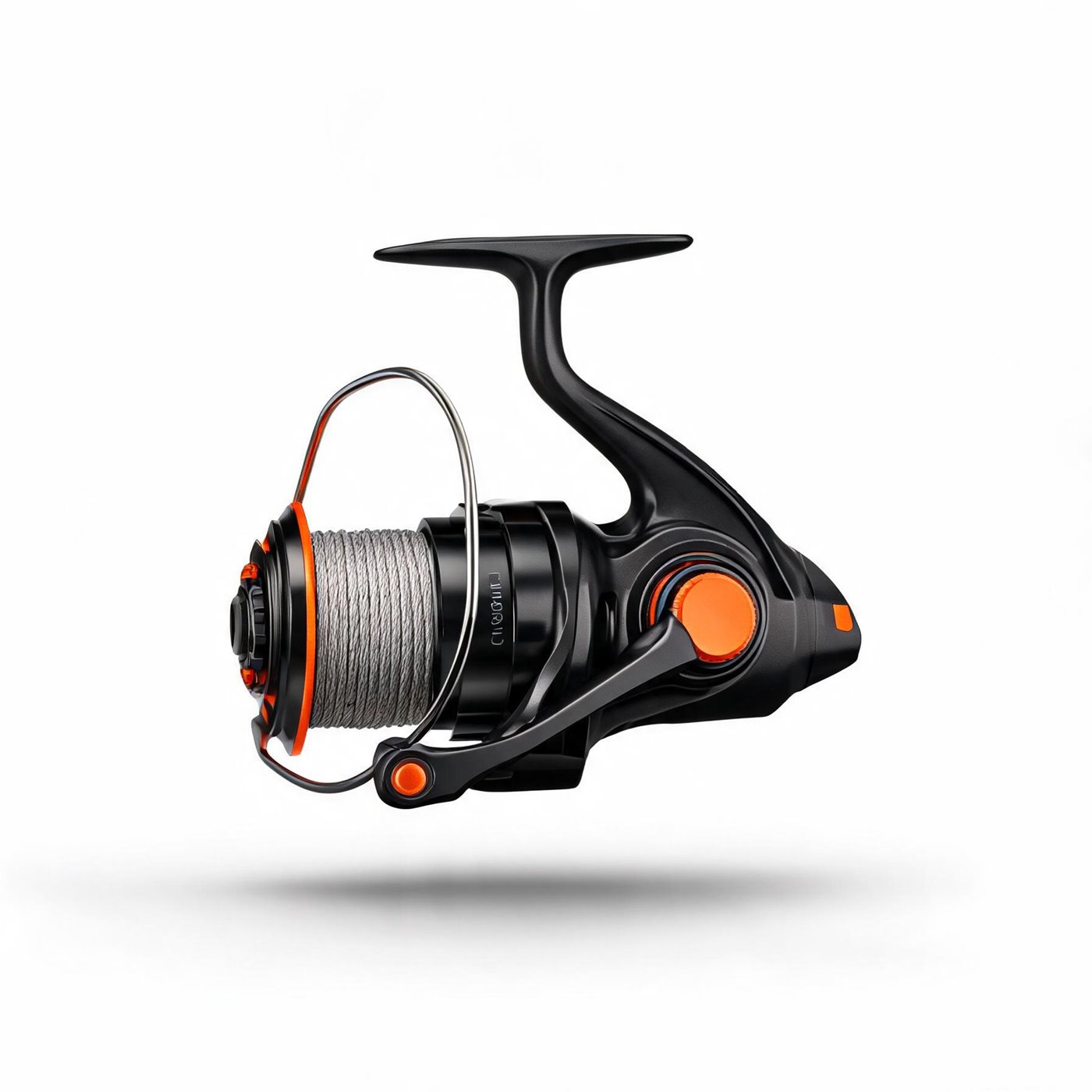
A spinning reel hangs below the rod with a fixed spool; the line peels off the end on the cast. It handles light lures well, does not backlash, and is the right first reel for anyone. Sizes are given as numbers: 2000 and 2500 suit the light and medium lures here, 3000 and 4000 suit the heavier ones.
A baitcasting reel sits on top of the rod with a revolving spool. It casts heavier lures with more control and accuracy, holds thicker line, and winches a fish out of cover better. Its cost is the learning curve: an over-run on the cast turns the spool into a bird's nest until your thumb learns to brake it. Worth learning for the spinnerbait and swimbait; unnecessary for the worm and the crankbait.
Whichever you choose, gear ratio matters for crankbaits and swimbaits. A slower reel, around 5:1 to 6:1, makes it easier to keep a slow, steady retrieve. Very fast reels tempt you to fish those lures too quickly.
Nylon monofilament floats, stretches, and is cheap and forgiving. The stretch cushions treble hooks and the floating helps topwater lures ride nose-up. Its weaknesses are memory on the spool and lower sensitivity.
Fluorocarbon sinks, stretches less, and is harder to see underwater. It keeps a suspending jerkbait down and transmits a worm bite to your hand better than nylon. It pulls the nose of a popper under, so keep it off topwaters.
Braid has almost no stretch and a very thin diameter for its strength, which means long casts and instant hook-sets. It floats, is visible, and has no abrasion resistance on its own, so it is usually fished with a short leader of fluorocarbon or nylon tied on the end. Braid to a leader is the most versatile setup for the worm and the spinnerbait.
Line strength is quoted in pounds of breaking strain. The numbers below are a range; go to the heavy end of it in cover and the light end in clear, open water.
Medium power, moderate action, 6 ft 6 in to 7 ft. A 2500-size spinning reel or a slow-ratio baitcaster. 8 to 12 lb nylon or fluorocarbon. The softer rod keeps the small trebles in the fish; the moderate line diameter lets the lure reach its depth without dragging.
Medium-light or medium power with a fast tip, so the twitches are crisp and the slack-line snap is easy to make. A 2500-size spinning reel. 8 to 10 lb fluorocarbon, which sinks and helps the lure hold depth on the pause. Avoid braid here; its lack of stretch makes the twitches too violent and pulls hooks on the strike.
Medium power, moderate action. A 2500-size spinning reel or a baitcaster. Floating line: 10 to 14 lb nylon, or braid with a short nylon leader. Never fluorocarbon, which sinks and drowns the cup. The moderate action is important: you will miss fewer fish if the rod bends rather than snatches when a fish hits at the surface.
Medium-heavy power, fast action, 7 ft. A baitcasting reel, or a 3000-size spinning reel if you prefer. 12 to 17 lb fluorocarbon or nylon; 30 lb braid with a fluorocarbon leader in thick cover. The single hook is large and needs a firm rod to set; the heavier line stands up to wood and rock.
Medium-heavy or heavy power, moderate action, at least 7 ft, with a lure rating that comfortably includes 26 g. A baitcasting reel with a large spool and a slow ratio, or a 4000-size spinning reel. 15 to 20 lb fluorocarbon or nylon. The rod needs the backbone to cast the weight and the bend to keep two big trebles in a big fish beside the boat.
Medium power with a fast tip, 6 ft 10 in to 7 ft 2 in. A 2500-size spinning reel. 8 to 12 lb fluorocarbon straight through, or 15 to 20 lb braid to a fluorocarbon leader for the best sensitivity. Bites on a worm are felt, not seen, and the fast tip and low-stretch line are what let you feel them.
If you already own one rod and want to know which of the six lures it suits, tell us its power, action and lure rating at admin@hookefamily.com and we will say.
Where fish sit at dawn and dusk, and what to throw at them.
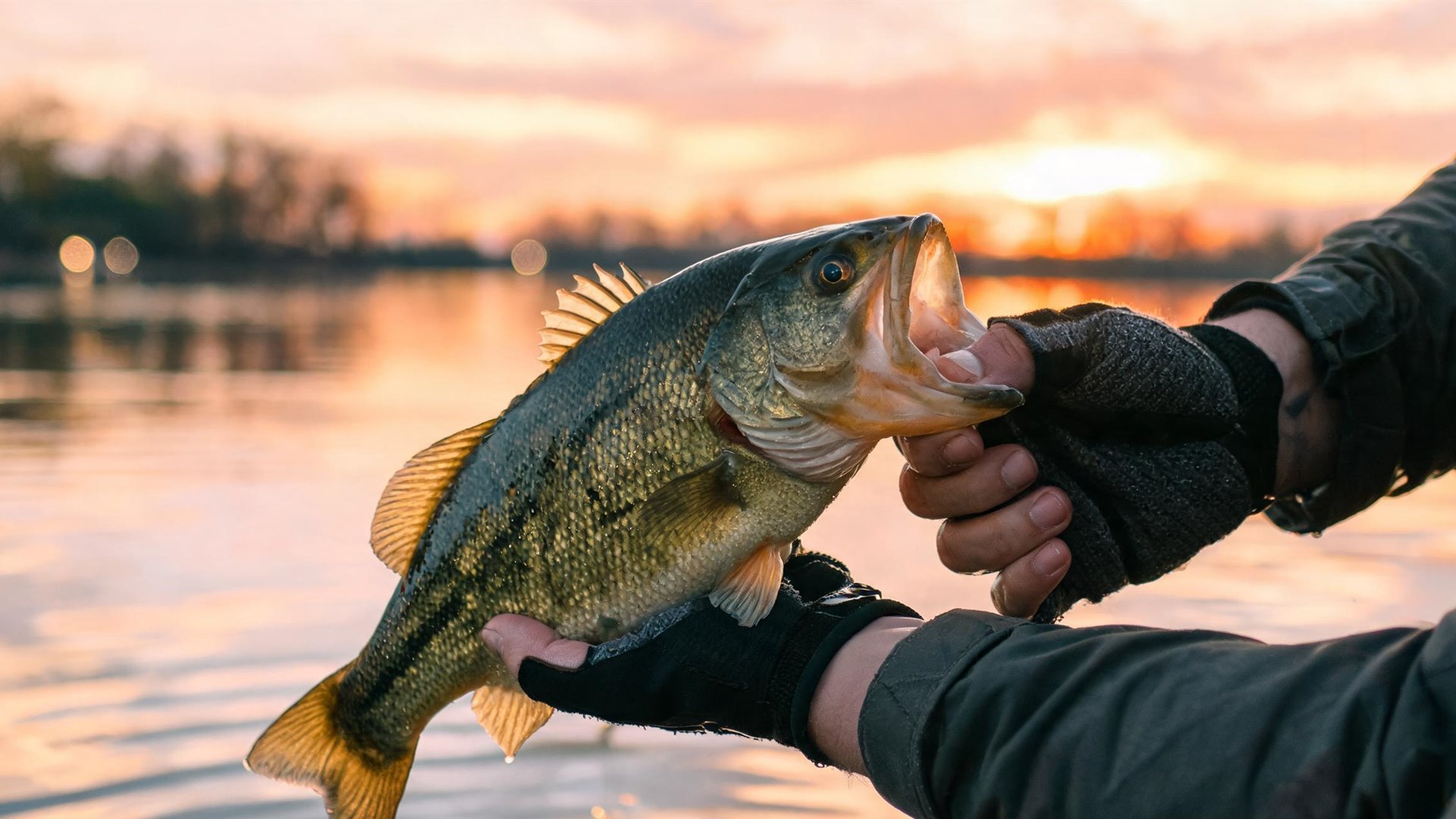
Sharp points, rust-free trebles, and a fish that swims away strong.
Specifications and prices for everything we make.