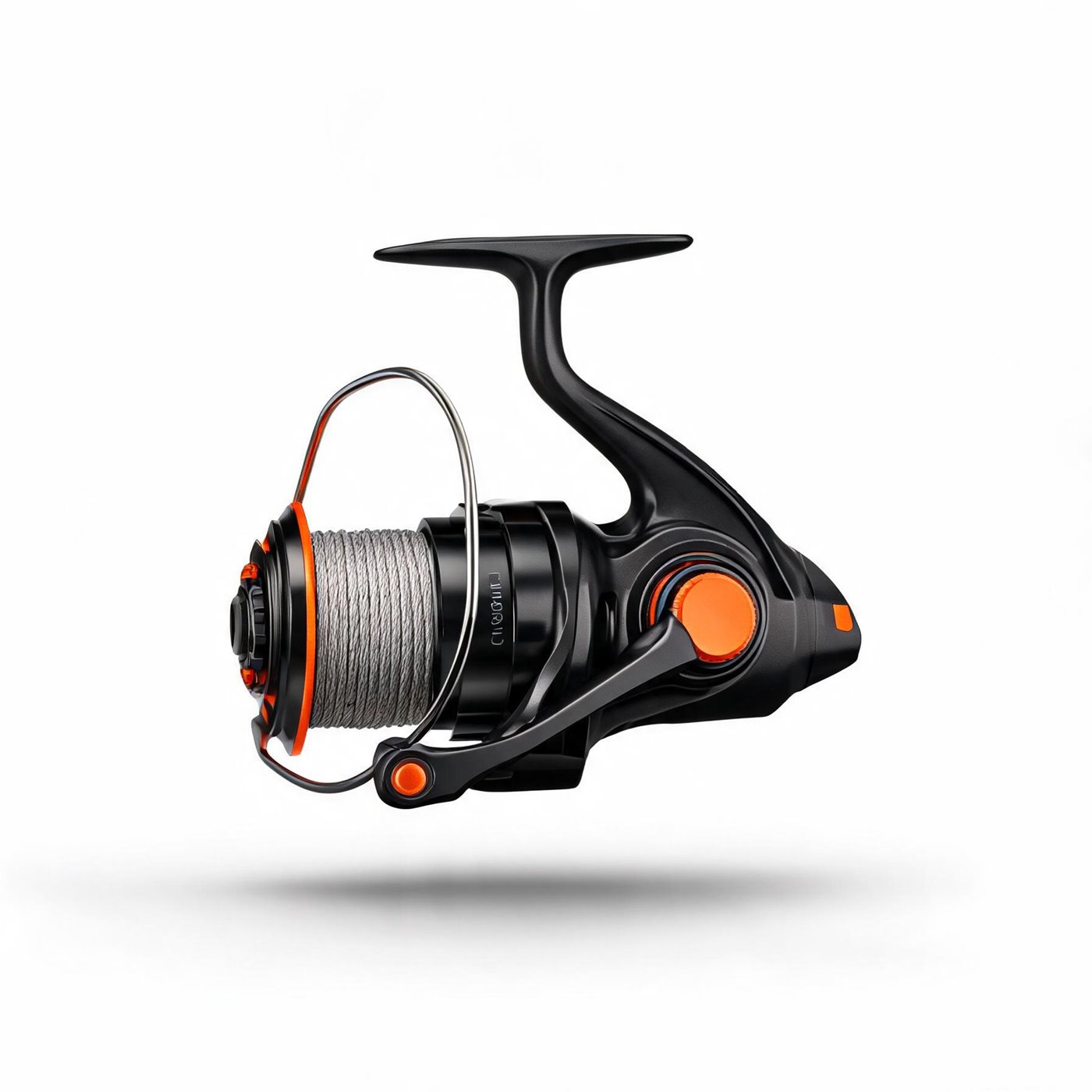
Rod, reel and line for each lure
Power, action, reel type and line, with a pairing for all six lures.
A sharp hook lands more fish and does less damage to them. This guide covers keeping hooks sharp and rust-free, when to swap trebles for singles, and how to handle a fish so it swims off as strong as it came in.
Draw the hook point lightly across a thumbnail. A sharp point digs in and stops; a dull one skates. Do this before the first cast of the day and after every fish, every snag and every knock against a rock. Points dull faster than you think, and a lure with dull trebles will be hit and not held all morning without you knowing why.
You need a small hook file or a fine diamond stone; either fits in a shirt pocket. Hold the hook by the bend and stroke the file from the bend toward the point, on the outside of the point and then on each inner face, a few light strokes each. You are taking the point back to a fine triangle, not grinding metal away. Test on the thumbnail and stop as soon as it bites. Over-sharpening makes a point thin and brittle, and a point that snaps off on the strike is worse than a slightly dull one.
Chemically sharpened hooks, which is what our hard baits carry, are very sharp out of the packet and touch up easily; the file is for keeping them that way, not for rescuing them.
Rust starts at the point, and a rusty point will not sharpen. Rinse lures in fresh water after every session, particularly after brackish or salt water, and let them dry in the open before they go back in the box. A closed box with wet lures in it is where rust happens. If you fish salt, a light wipe of oil on the hooks afterwards buys them a long life. A lure that has already rusted needs new trebles: split rings open with a pair of split-ring pliers and the old hooks come straight off.
A barb holds a hook in; it also makes the hook harder to remove, and it does more damage on the way out. Pressing the barb flat with a pair of pliers loses you very few fish, provided you keep the line tight while playing them, and it turns unhooking from a job into a moment. Barbless is the kinder default for fish you intend to release, and it is kinder to your own fingers on the day a treble finds one.
On a large lure, two treble hooks are six points, and a big fish twisting against them can do itself real damage. Many anglers replace the trebles on a swimbait like the Sectional 130 with single inline hooks, one on each hanger, points facing forward. A single hook holds a big fish as well as a treble, comes out in seconds, and rarely tears anything.
The catch is balance. A hard bait is tuned with its original hooks; put on lighter or heavier singles and it may run differently, or a suspending lure like the Longcast may start to float or sink. Match the weight of the replacement to the original as closely as you can, and test the lure in the margin before you fish it. The crankbait and the popper are small enough that most people leave their trebles alone and pinch the barbs instead.
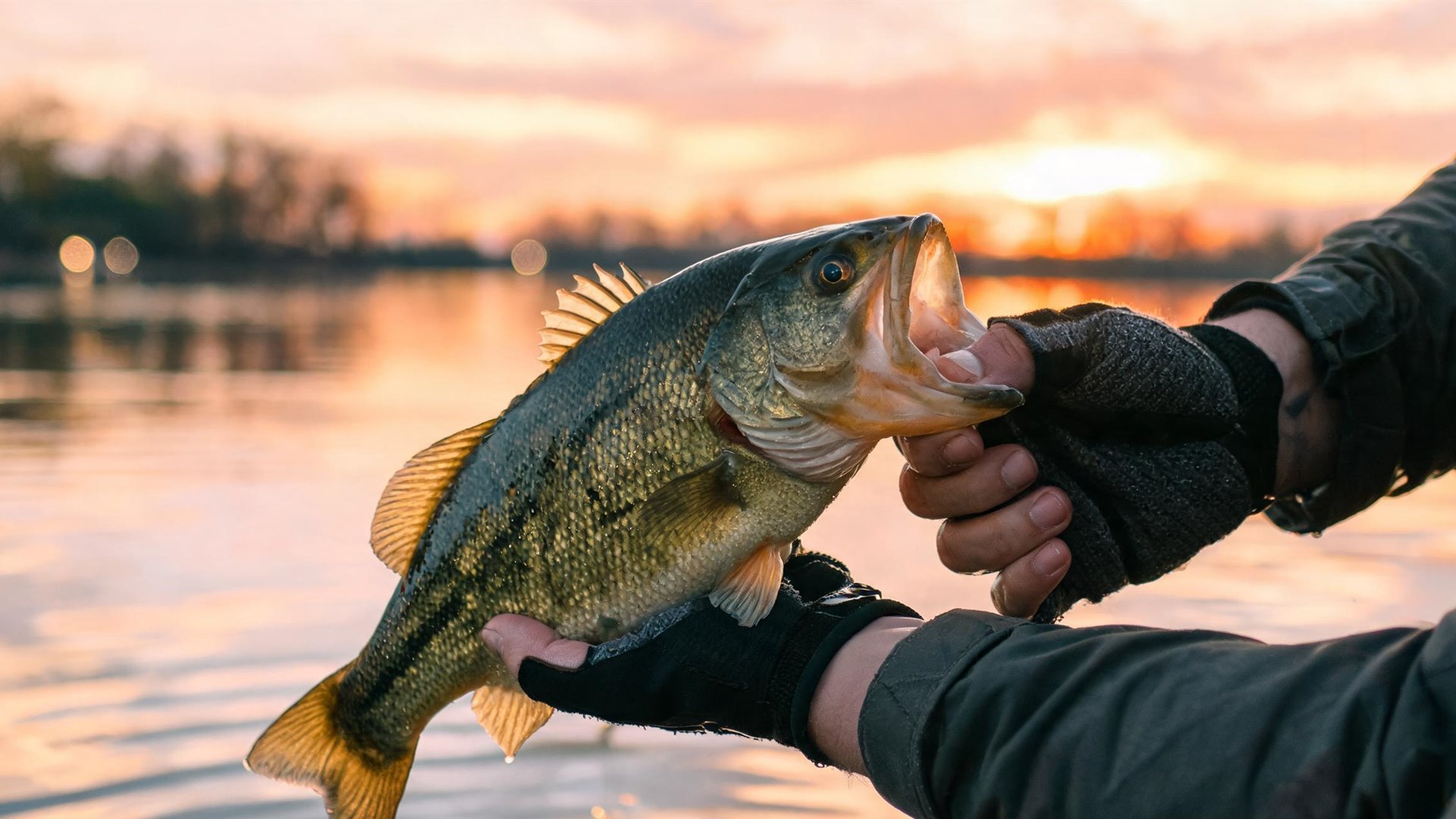
The photograph at the top of this page shows the hold: one hand gripping the lower jaw, the other supporting the belly, the fish held horizontal. That second hand is the important one. A fish held vertically by the jaw alone is hanging its whole weight from a joint that was never built for it, and a fish larger than a pound or so can be injured that way.
Lower the fish into the water head first, facing into any current, and hold it lightly by the tail until it kicks. A fish that swims off straight away needs nothing more. A tired fish will sit in your hand; support it upright and let water pass over its gills, moving it gently forward if the water is still, and let go when you feel it pull. Do not push it back and forth; that forces water the wrong way through the gills. Patience here is the difference between a fish that swims off and a fish that floats.
In warm water, fish tire faster and recover slower. Play them harder so they come in less exhausted, and give them longer in the hand before release.
Used soft plastics, tangles of line and worn-out hooks go home with you. A bird or a fish will find them if you do not.
Power, action, reel type and line, with a pairing for all six lures.
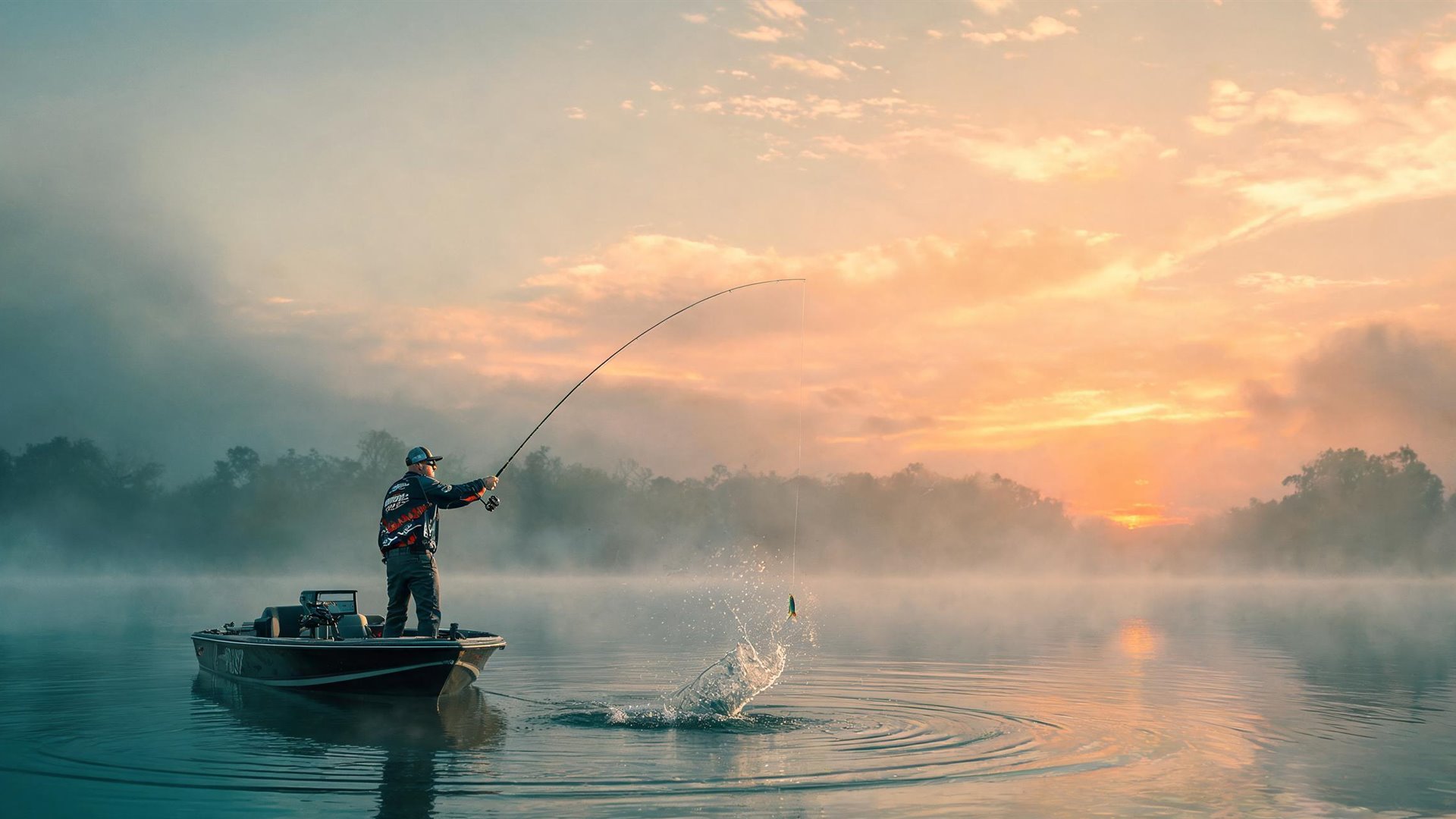
Where fish sit at dawn and dusk, and what to throw at them.
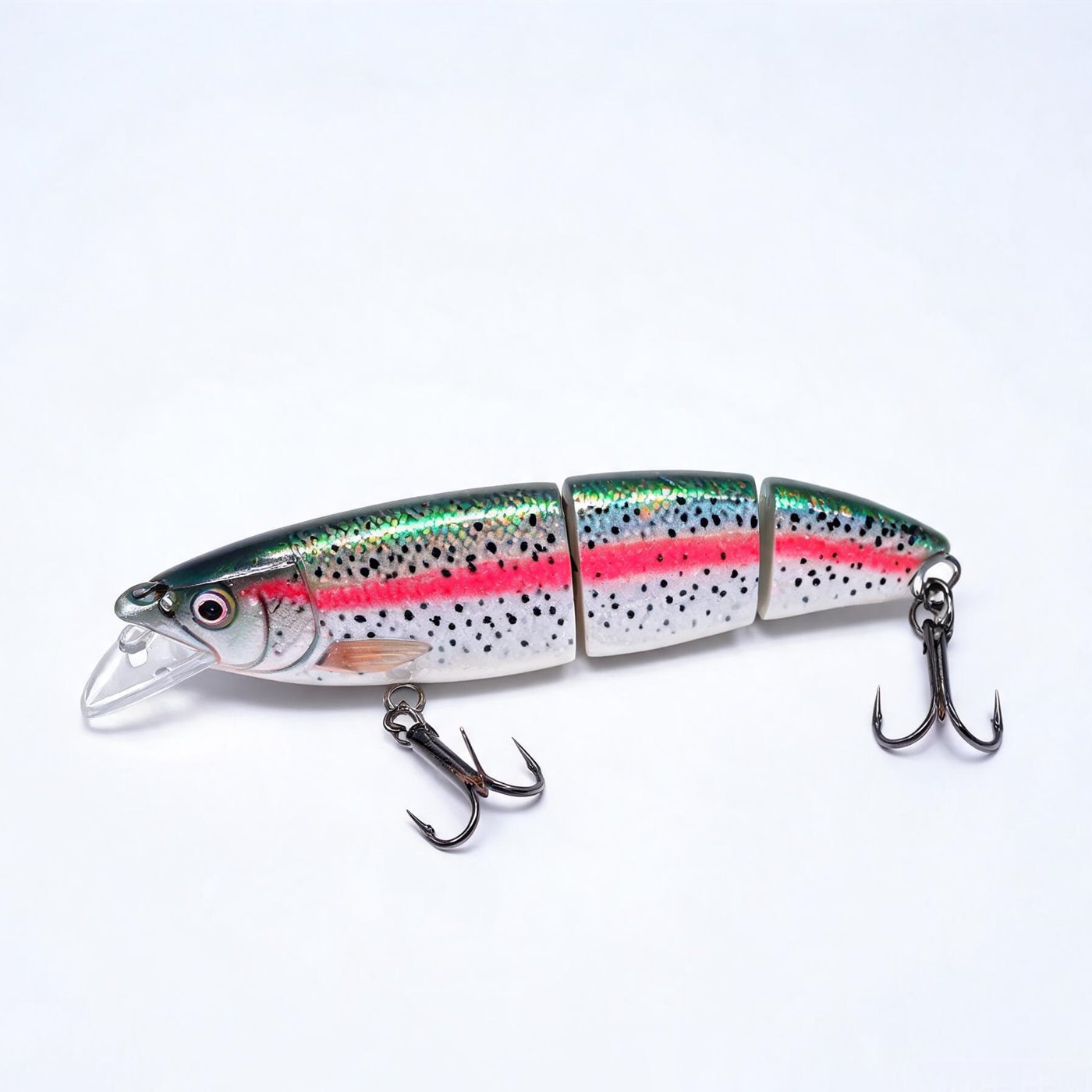
The lure most worth putting single hooks on.